Pump Systems: Centrifugal Pump
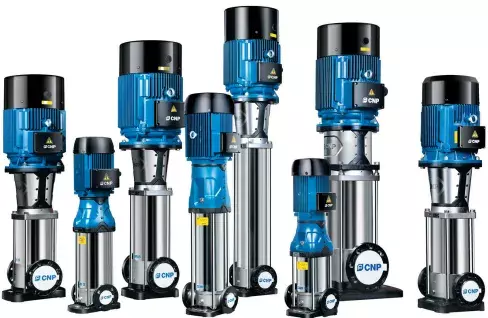
Basics Of Centrifugal Pump
1. Entry of Fluid into The Pump:
Fluid enters via the pump inlet.
2. How Centrifugal Force Is Generated:
Centrifugal force is generated from the spinning of a mechanical device known as the impeller within the pump.
3. Increase in Velocity and Flow Rate:
As Centrifugal force is generated by the impeller, the velocity and flow rate of the fluid also increase.
4. Pressure Generation:
As the fluid flows towards the diffuser, the conversion of the increased flow rate and velocity turns into pressure energy.
5. Fluid Pressurization:
The pressurized fluid then exits the pump outlet for its intended purposes.
Centrifugal Pump Variants
There are different ways to classify a centrifugal pump, below are some examples.
1. Impeller Designs: Classified by the impeller’s flow process.
- Radial Flow Pumps:
- Axial Flow Pumps:
- Mixed Flow Pumps
2. Number of Stages
- Single-Stage Pumps: Means that the pump only has one impeller for the fluid to pass through
- Multi-Stage Pumps: Means there is more than one impeller for liquid to pass through.
3. Pump Orientation
- Horizontal Pumps: Mainly for industrial purposes.
- Vertical Pumps: Commonly used in situations where space is limited.
Applications
- Water Supply Systems: Water pumping, hotel, roof tops, showers...
- Industrial Applications: Large scale RO systems, food, petrochemicals...
- HVAC Systems: AC units, cooling, ventilation and heating.
- Wastewater Treatment: Sewage water, contaminated water, fluids with sludges and more.
- Irrigation: Water distribution for farms, animals, plants and more
Advantages
- Simple Design: Standardized systems that are highly customizable.
- Efficient: Highly efficient in converting fluid energy to kinetic energy.
- Versatile: High versatility in numerous fields of applications.
- Continuous Operation: Stable operation with continuous operation.
- Cost-Effective: Parts are easy to maintain and provide excellent service life.
Maintenance
Following proper maintenance practices will enhance system lifespan and efficiency.
- Regular Inspection: Check for water leakage and damaged areas routinely.
- Lubrication: Make sure the bearings have sufficient lubrication.
- Alignment: Alignment of the pump and motor is essential during installation to avoid vibrations and mechanical stress.
- Seal Maintenance: Inspecting and replacing seals to prevent leaks.
Impeller Cleaning: For unwanted debris.

